
Website Checkout Optimisation: What DTC Subscription Brands Get Right
TL;DR (for founders & business leaders who are mid-firefight)
Most checkout “optimisation” advice is generic because it assumes that businesses are chasing the same outcome.
Subscription brands are different: renewal clarity + trust matter as much as conversion.
Use the 5-question framework below to spot friction fast.
Trip was the strongest example overall: clear, calm, and upfront about what happens next.
What is website checkout optimisation?
Website checkout optimisation is improving the purchase journey so customers clearly understand:
What they’re getting
What they’ll pay today
What happens next
For subscription brands, that third part (“what happens next”) is where most of the damage happens: renewal pricing, renewal timing, and the feeling of “hang on… what have I just signed up for?”
Get this wrong, and you don’t just lose conversion - you invite churn, refunds, and support tickets.
Why most checkout optimisation advice is incomplete
A lot of checkout optimisation advice is too generic. It assumes every brand is chasing the same thing - they aren’t.
Some checkouts are designed to drive trial. Others protect AOV. Subscription brands often need to maximise attach rate + retention (even if conversion dips slightly). Sometimes the real win is fewer refunds, fewer support tickets, and longer tenure.
So I benchmarked 10 DTC subscription checkouts, scored them ⭐ out of 5, and went deeper on Trip (my winner) to show what “good” looks like in practice.
The 5-question framework (applies to most checkouts - especially those with subscriptions)
When someone says “our checkout isn’t converting”, the fix is rarely “add a badge” or “try orange buttons”.
It’s usually that the customer is being asked to make too many decisions, and there is a lack of clarity.
For each step, ask:
What’s my decision on this screen?
What could confuse or distract me?
Does trust go up or down?
Is renewal pricing obvious?
Do I feel calm, pressured, or chaotic?
That last one matters more than people admit: a “chaotic checkout” is a conversion tax.
Brands reviewed (and the winner)

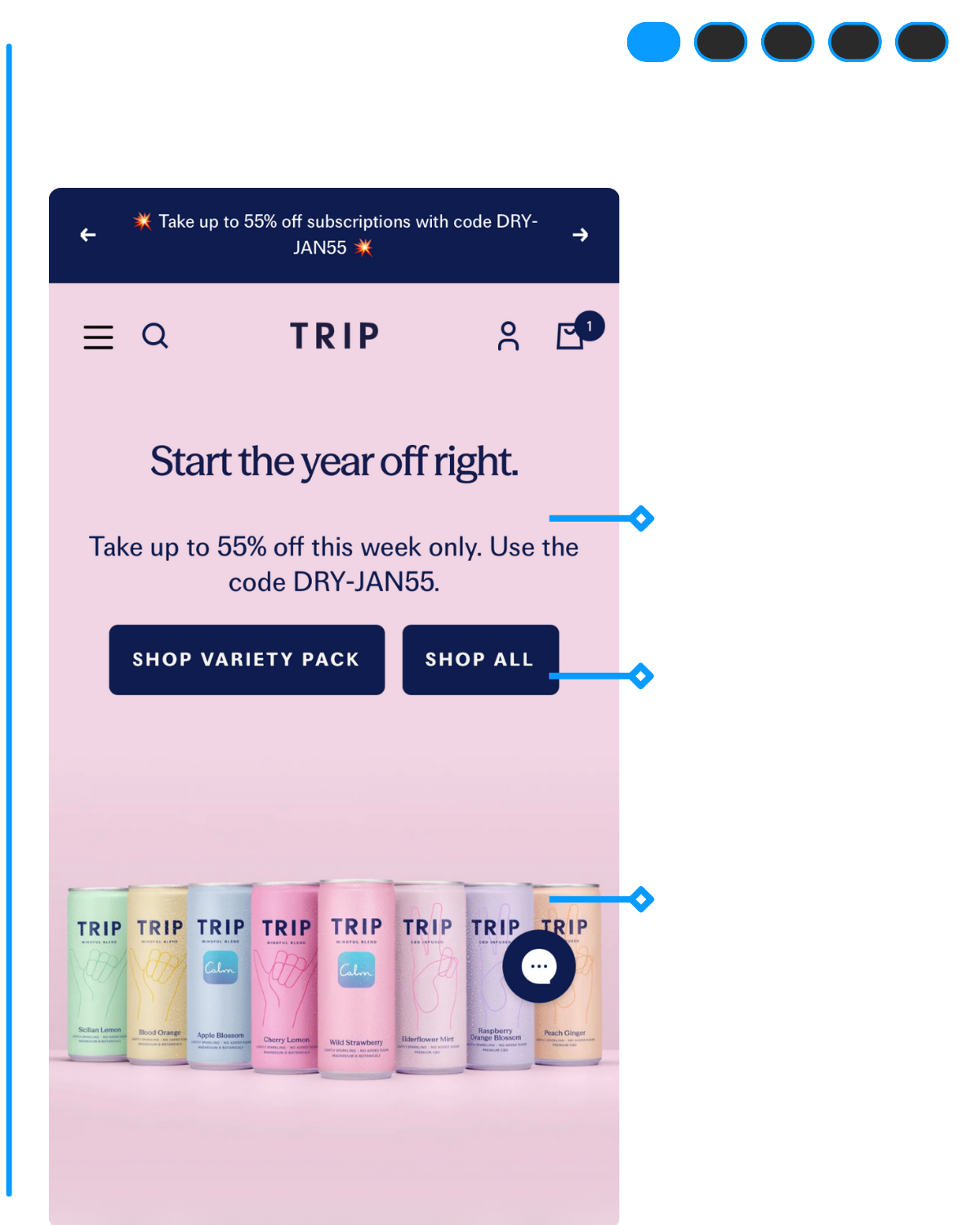
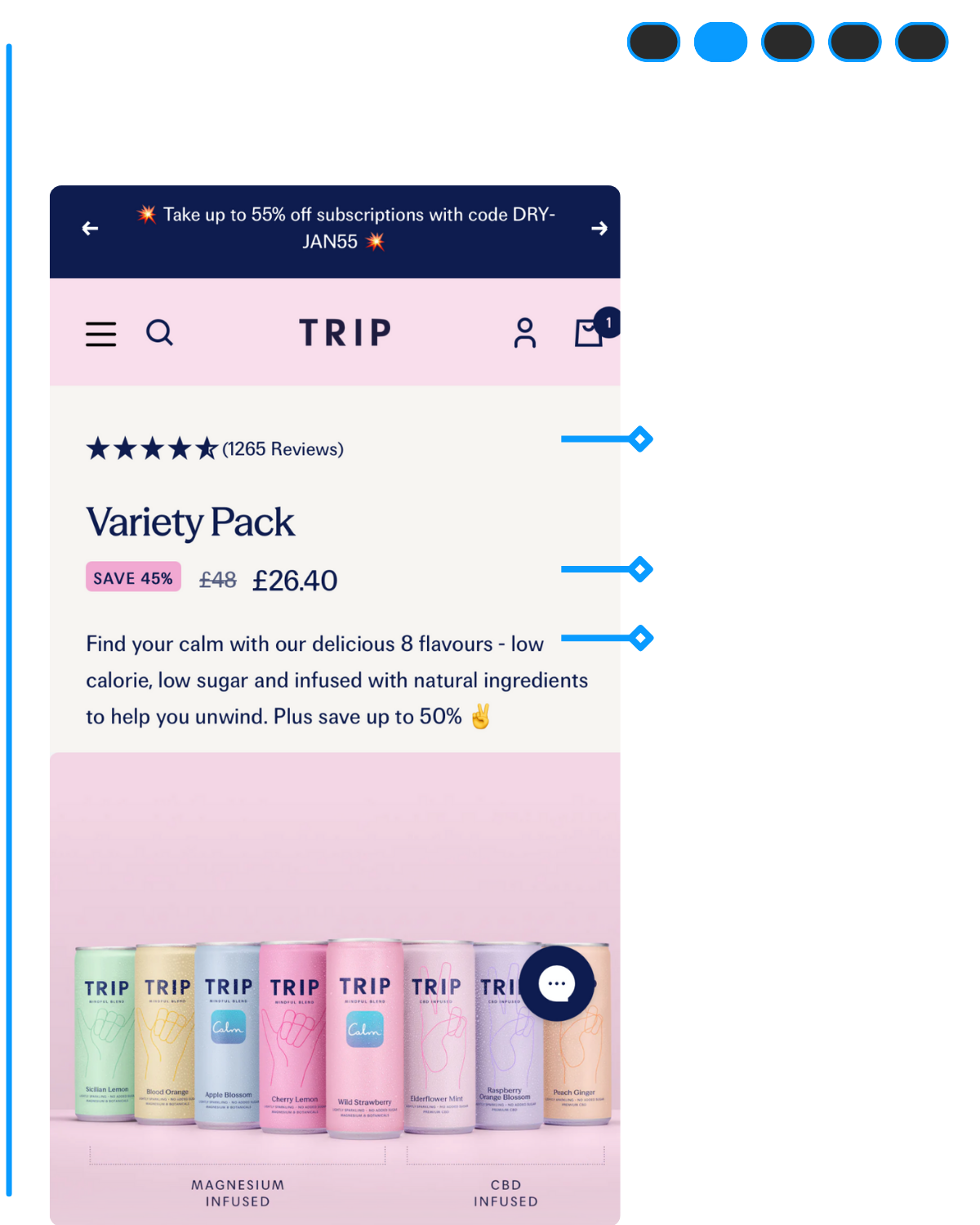
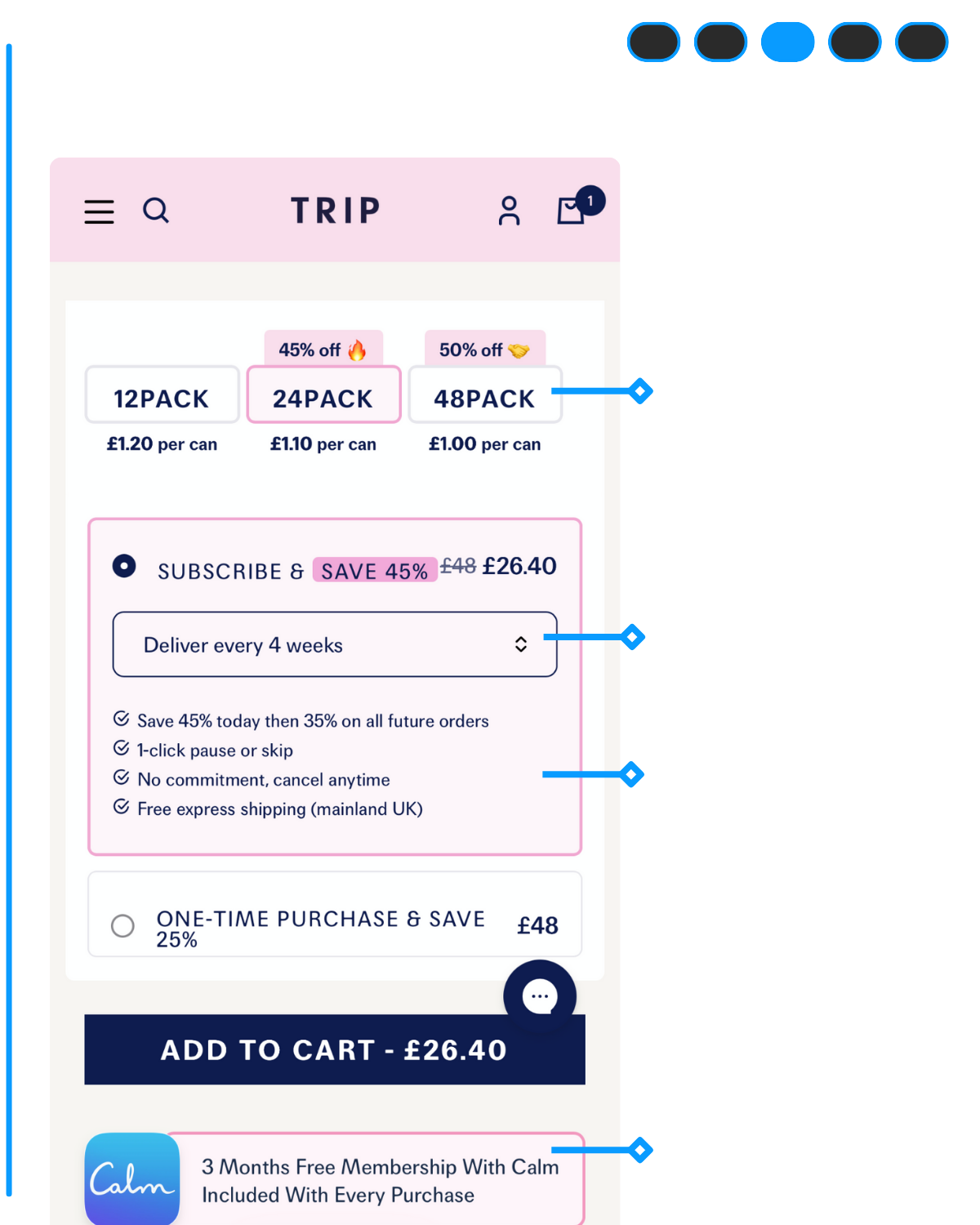
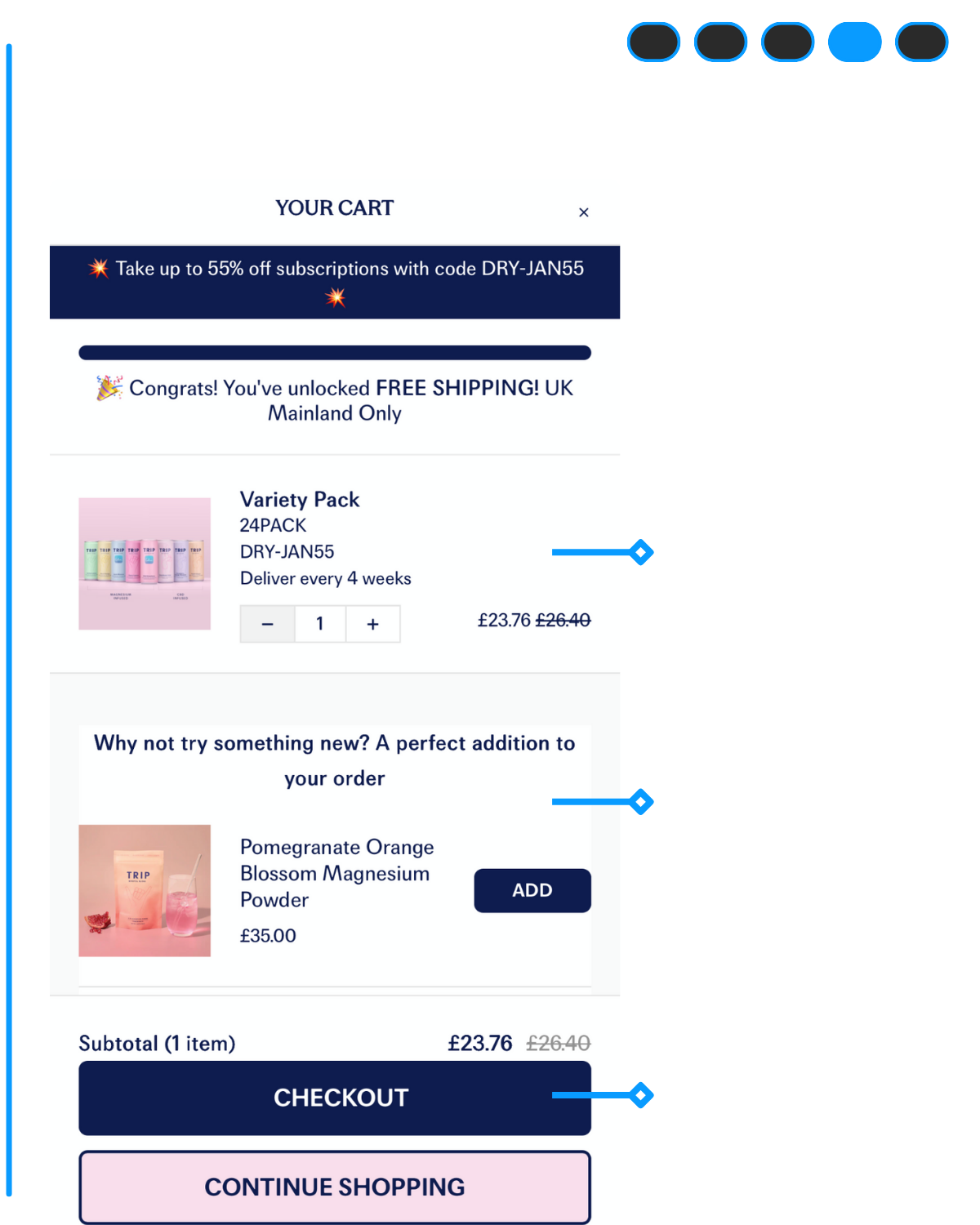
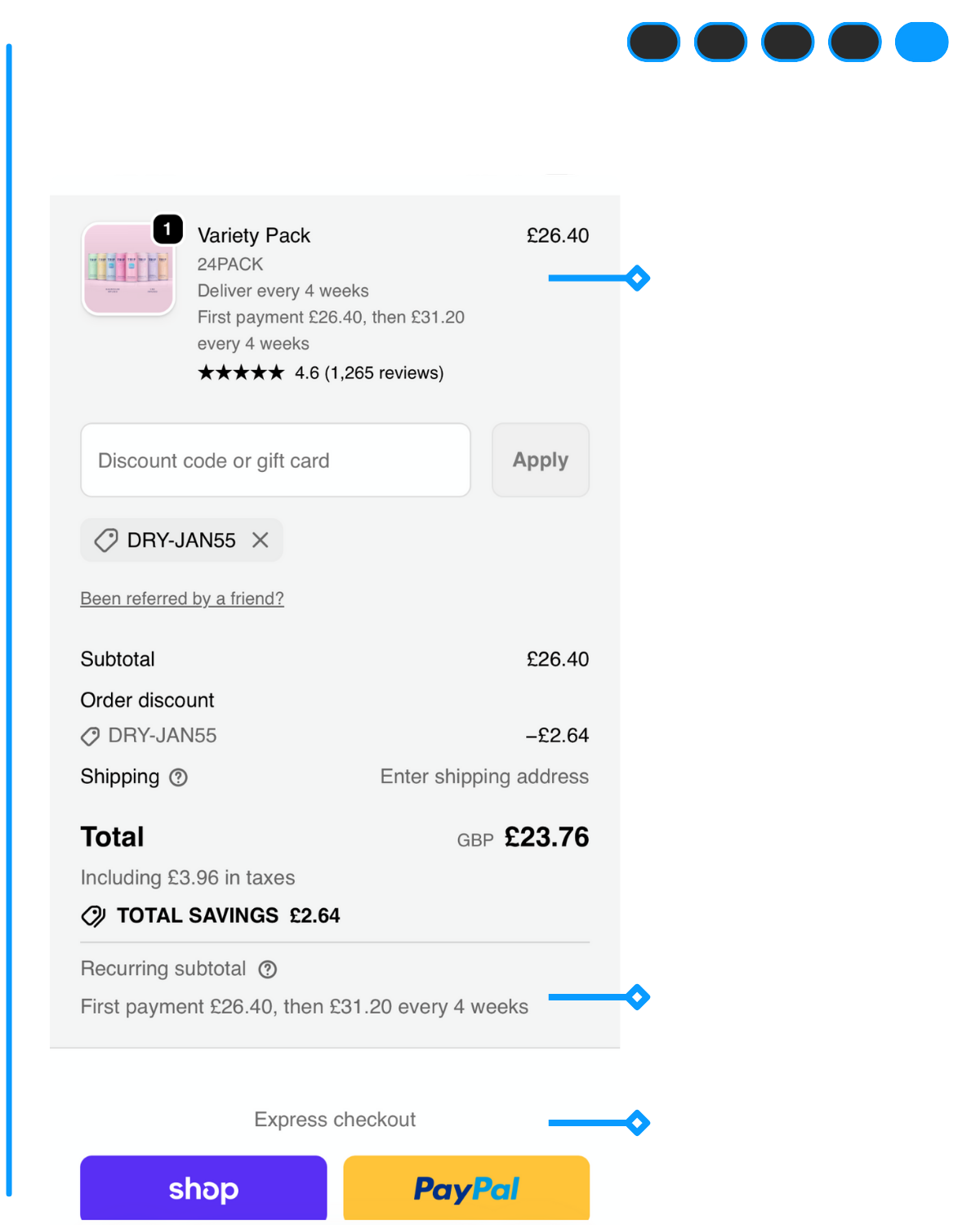
Trip Walkthrough: Entry → PDP → Subscription → Cart → Buy.
Notice how renewal clarity stays visible throughout, not a footnote at the end.
If this sparked a “yep… that’s us” moment: get a second opinion on your checkout and broader marketing.
The 3 things the best checkouts make obvious
The best checkouts make three things painfully clear (and keep them clear throughout the journey):
✅ What you’re getting
✅ What you’ll pay today
✅ What happens next (and when)
The point isn’t “copy Trip”.
It’s to be intentional about what your checkout is optimising for, because balancing conversion, AOV, retention, brand, and trust all at once is genuinely hard.
And if your checkout has turned into a Frankenstein (plugins + promos + popups + urgency timers)… clarity has been compromised somewhere.
You’re probably leaving money on the table.
The 5 steps of a checkout (and what “good” looks like)
A lot of businesses treat the checkout like “a page”. It’s not: it’s a sequence of micro-decisions.
Here’s the lens I used:
Step 1: Entry
Goal: Make the offer and next action obvious.
Clear offer
Clear CTA
No noise
Founder takeaway: If the entry is messy, you’re paying to send people into a fog.
Step 2: PDP (product page)
Goal: Anchor value and trust before asking for commitment.
Trust
Anchor pricing
Value prop
Watch-outs: “savings vary” confusion, distractions
Founder takeaway: A PDP can convert well and still create downstream churn if the renewal isn’t clear - some folks would call this future-pacing.
Step 3: Subscription selection
Goal: Make the subscription decision feel simple (not like a finance exam).
Clear pricing & discounts
Trust & transparency
Cadence
Added value (if possible, and only if it doesn’t distract)
Founder takeaway: If customers have to do maths, you silently select for the most patient people… and lose the rest.
Step 4: Cart
Goal: Keep momentum, add value carefully, don’t trigger suspicion.
Clarity
Contained upsell
Clear CTA
Founder takeaway: Upsells work, but too many or stacking too many feels like a trap.
Step 5: Buy (payment)
Goal: Reduce uncertainty to near zero.
Concise summary
Clear pricing
Convenience
Founder takeaway: Payment isn’t where you get clever → everything must come together, calmly.
DO / DON’T checklist (steal this)
DO
✓ Make each screen decision obvious
✓ Provide concise summaries
✓ Reduce distractions (no pop-ups)
✓ Separate today vs renewal pricing
✓ Say pause/skip/cancel plainly
✓ Add trust cues throughout
✓ Use data to understand stage drop out
DON’T
✕ Hide renewal pricing in small print
✕ Use multiple savings claims
✕ Make people do discount maths
✕ Stack too many upsells during checkout
✕ Use countdown timers (unless required)
✕ Add unnecessary decisions
A 5-minute “founder check” you can do today
Open your checkout and go through it like a first-time buyer.
Then answer these questions brutally:
Where do I hesitate? (friction)
Where do I feel suspicious? (trust leakage)
Where do I feel rushed? (anxiety)
Where is renewal unclear? (future churn + support tickets)
If you can spot 3 issues in 5 minutes, your data will usually confirm several more.
Want a second opinion?
If your checkout has become a Frankenstein and you want clarity back, I can help.
This is the kind of thing I pick up in a Marketing Audit (your wider funnel + site + tracking), and it’s also the kind of work I do as a Fractional CMO: fix fundamentals, remove friction, and make the journey feel calm again.
FAQ
What is website checkout optimisation?
It’s improving the checkout journey so customers understand what they’re buying, what they’ll pay today, and what happens next. This reduces friction and increases trust.
What’s different about checkout optimisation for subscription brands?
Subscription checkouts must be extra clear about renewal price, renewal timing, and how to pause/skip/cancel. If renewal clarity is weak, you may still convert… but you’ll often pay for it later in churn and support.
What are the most common checkout mistakes?
Hidden renewal pricing, too many competing savings claims, forcing customers to do discount maths, stacked upsells, pop-ups during checkout, and urgency timers that spike anxiety.
